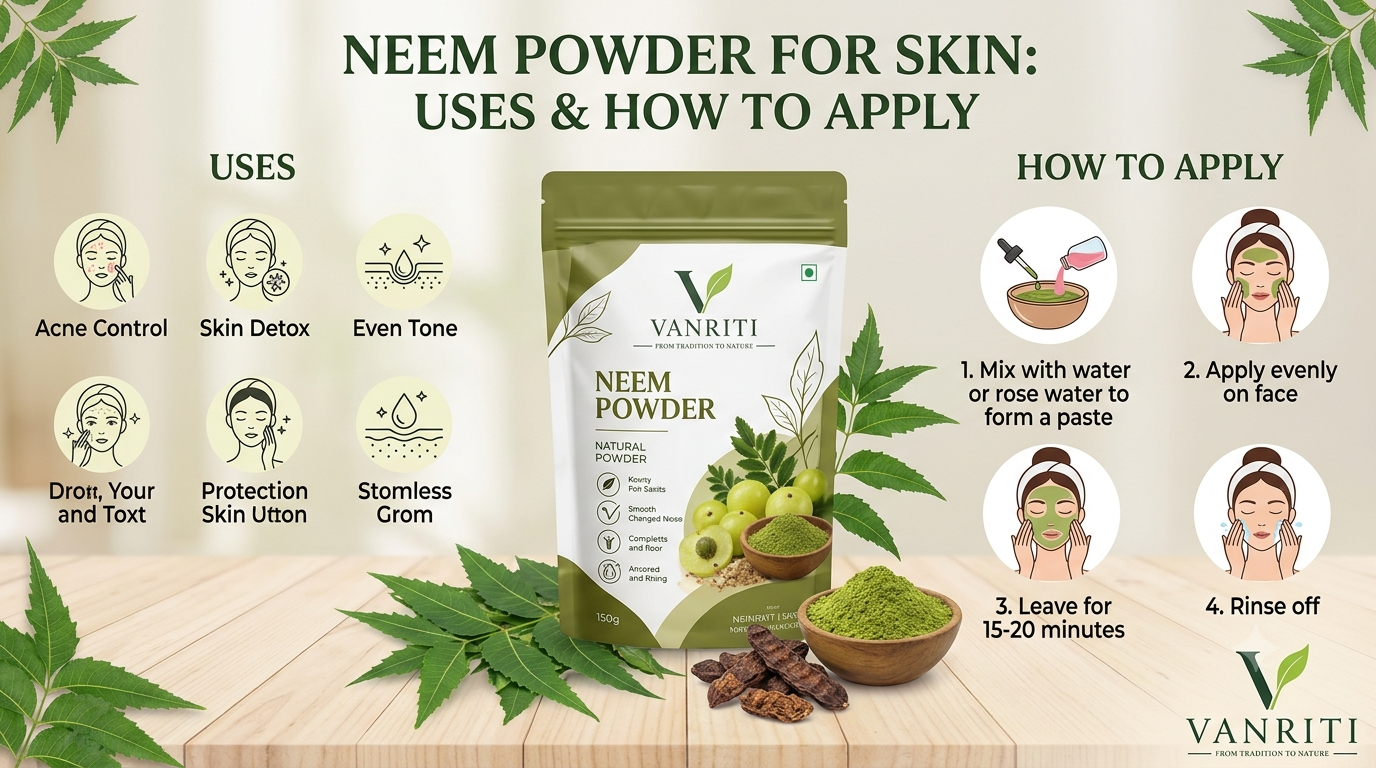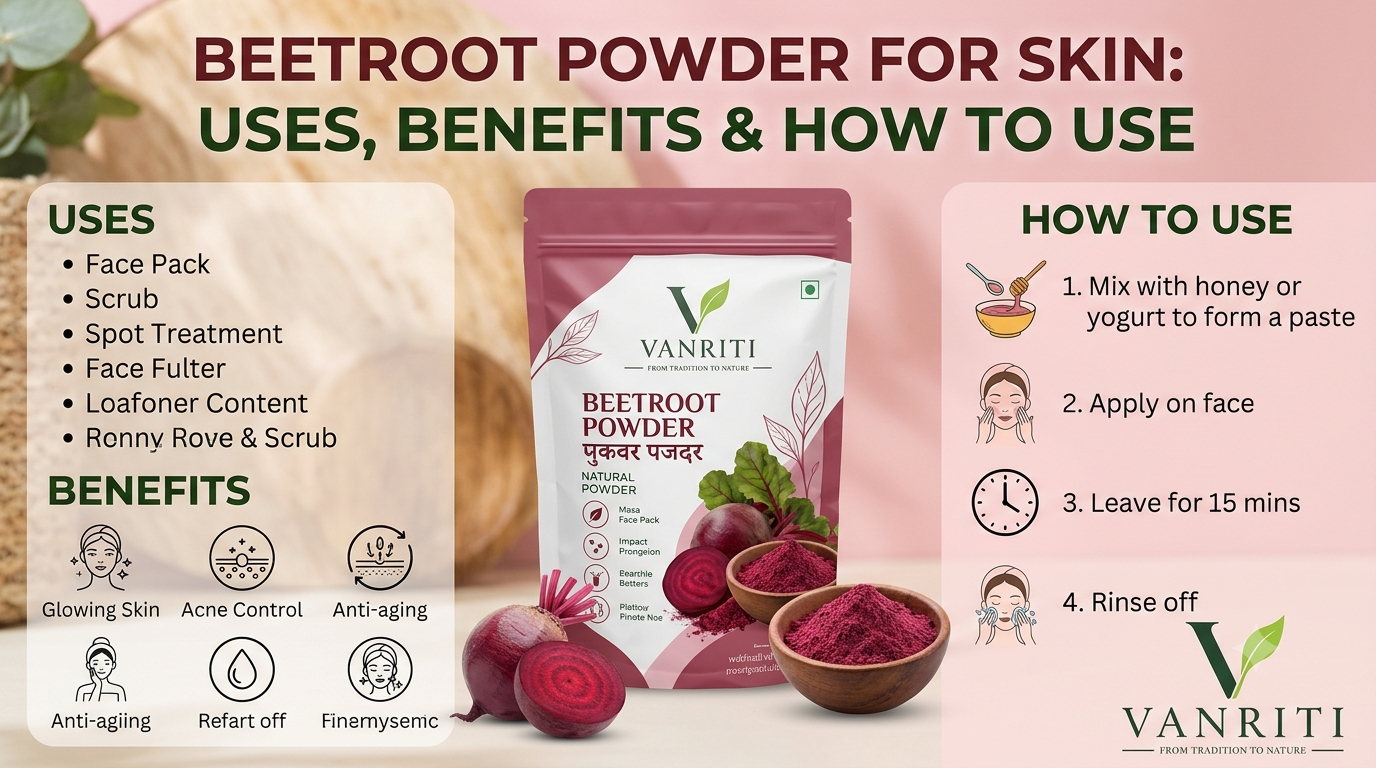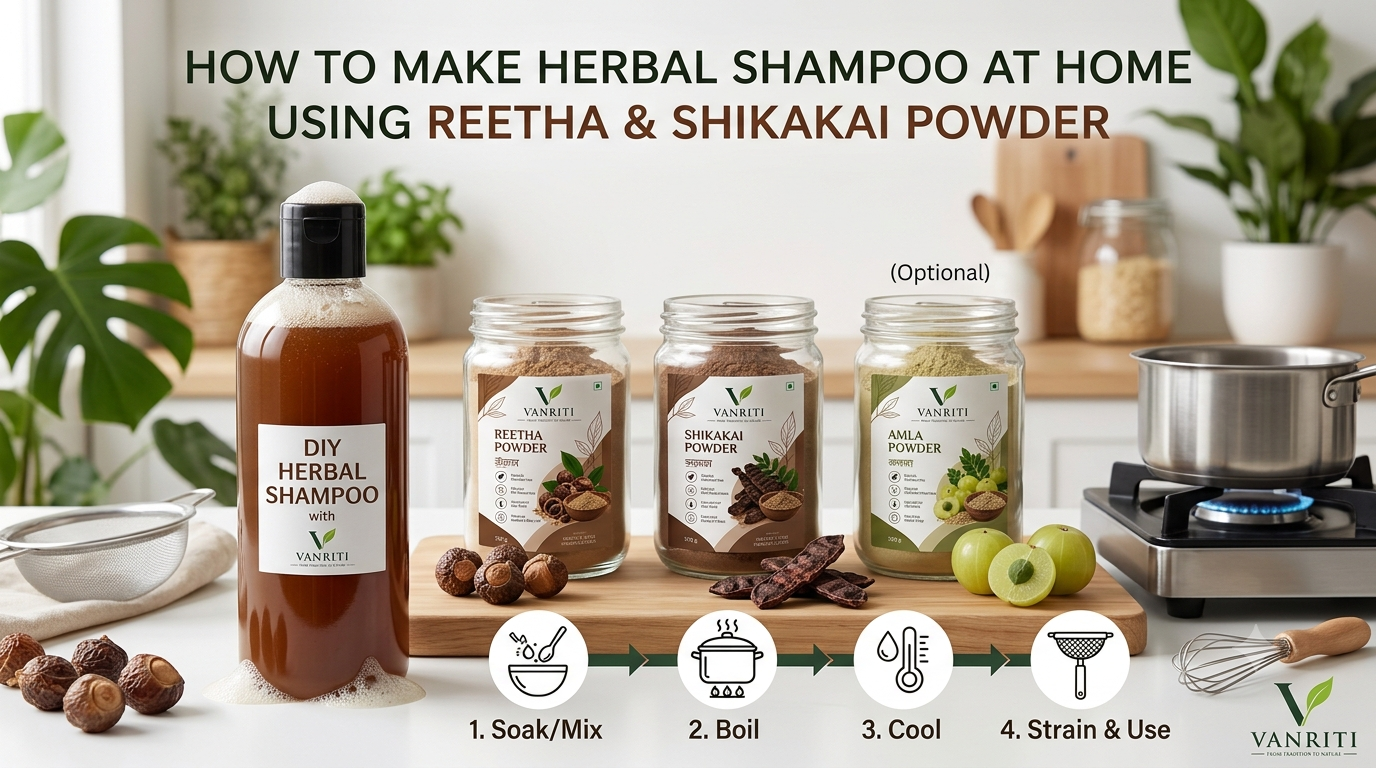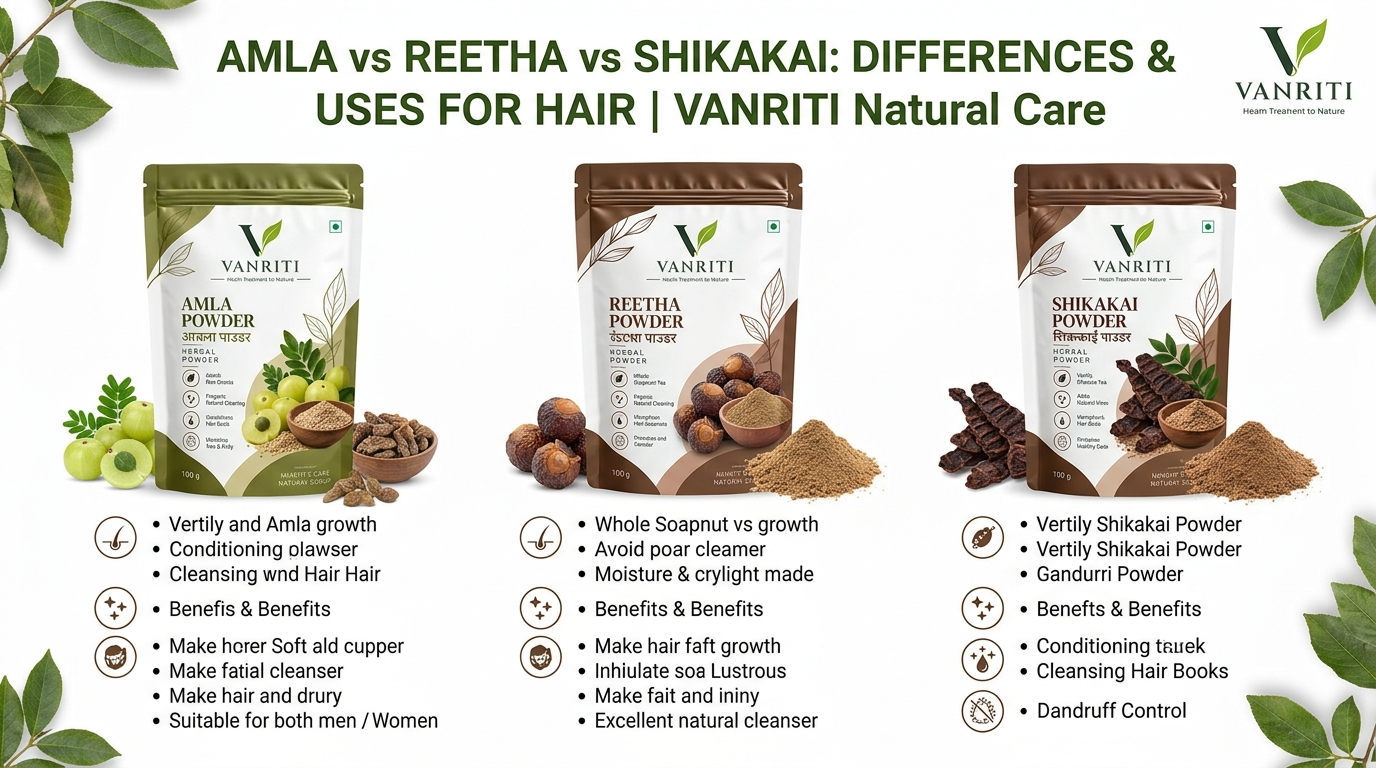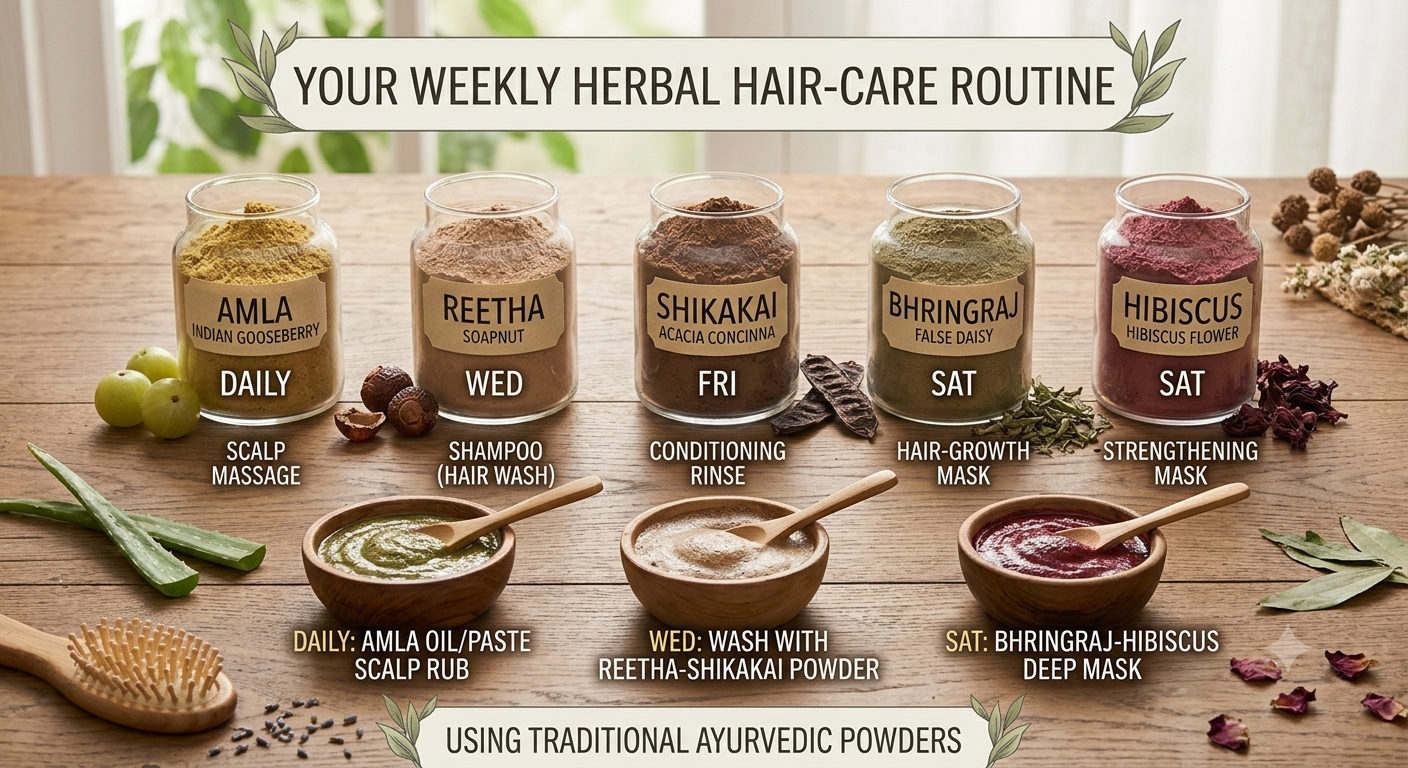
Herbal powders are a popular choice for people who want to explore traditional hair-care and skin-care practices. Ingredients such as amla, bhringraj, hibiscus, reetha, shikakai and multani mitti are commonly used in homemade preparations and personal-care routines.
However, choosing the right herbal powder involves more than selecting a familiar ingredient. You should also check the product label, intended use, ingredient information, packaging, shelf life and directions for use.
Whether you are buying herbal powders for hair cleansing, hair masks or face packs, understanding these factors can help you make a more informed decision.
In this guide, we will explain how to choose herbal powders, what to check before purchasing, how to select ingredients for different purposes, and how to store and use them responsibly.
1. Understand Your Purpose Before Buying Herbal Powders
The first step is to decide how you intend to use the powder. Different herbal and natural ingredients have different properties, so they should not all be used in the same way.
For example, a powder intended for hair cleansing may not be suitable for facial application. Similarly, a clay-based powder used in a face pack serves a different purpose from a traditional herbal hair mask ingredient.
Before making a purchase, ask yourself:
- Do I want a powder for hair cleansing?
- Am I looking for an ingredient for a hair mask?
- Do I need a powder specifically intended for facial use?
- Am I looking for a single ingredient or a combination of powders?
- Does the product label provide clear preparation and usage instructions?
Choosing according to your intended use makes it easier to compare products and avoid unnecessary purchases.
2. Learn About Different Types of Herbal Powders
Understanding the intended use of each ingredient can help you choose a product that fits your routine.
Amla Powder
Amla powder is traditionally used in hair-care preparations and homemade hair masks. It is often mixed with water to create a paste or combined with other suitable ingredients.
Before buying amla powder, check the ingredient name, intended cosmetic use, packaging and preparation instructions.
Bhringraj Powder
Bhringraj powder is another ingredient associated with traditional hair-care practices. It can be used in a homemade paste or hair mask when the product is intended for cosmetic use.
Check the ingredient declaration and follow the manufacturer's instructions rather than assuming every bhringraj powder is suitable for every hair or scalp type.
Reetha Powder
Reetha, also known as soapnut, contains naturally occurring saponins and is traditionally used in hair-cleansing preparations.
If you are purchasing reetha powder, look for clear instructions on dilution, preparation and application. Avoid getting it in your eyes, as it may cause irritation.
Shikakai Powder
Shikakai is traditionally used as a hair-cleansing ingredient. It is often combined with reetha in homemade cleansing preparations.
When choosing shikakai powder, check whether it is intended for hair care and whether the packaging explains how to prepare and use it.
Hibiscus Powder
Hibiscus powder is commonly used in traditional hair masks and other cosmetic preparations. It may be considered by people who prefer plant-based ingredients in their personal-care routines.
Check the product's stated intended use. A powder marketed for hair care should not automatically be assumed suitable for facial application.
Multani Mitti Powder
Multani mitti is a clay-based ingredient traditionally used in face packs and other skin-care preparations. It may be particularly appealing to people who prefer clay-based products.
Choose a product specifically intended for cosmetic skin care, and follow its preparation and application instructions. Because clay can leave skin feeling dry or tight, suitability depends on your skin's needs.
3. Check the Ingredient Label Carefully
One of the most important steps when buying herbal powders is reading the label.
A clear label helps you understand what you are purchasing and whether the product is appropriate for your intended use.
Look for the following information:
- Product name: Make sure the ingredient matches the product you want.
- Ingredient declaration: Check whether the product contains a single ingredient or a blend.
- Intended use: Look for clear indications that the powder is intended for hair care, skin care or another specific purpose.
- Net quantity: Check how much product is included in the package.
- Directions for use: Follow the manufacturer's preparation and application guidance.
- Batch or lot details: These help identify a particular production batch.
- Manufacturing and expiry or best-before information: Check the dates and any stated shelf-life instructions.
- Manufacturer or seller details: Look for identifiable business information and customer-support details.
- Storage instructions: Make sure you can store the powder as directed.
The exact information required on a label may vary by product type and applicable regulations. For Indian products, check the relevant labelling and regulatory requirements for the category in which the product is sold.
Buyer tip: Do not assume that a product is pure, certified or superior simply because the packaging uses words such as “natural,” “herbal” or “traditional.” Look for clear, verifiable product information.
4. Choose Between Single-Ingredient and Combo Packs
Herbal powders are available as individual ingredients and as combination packs. The better option depends on your needs, budget and familiarity with the ingredients.
| Factor | Single-ingredient powder | Combo pack |
| Ingredient selection | One main ingredient | Multiple ingredients |
| Ease of experimentation | Easier to test one ingredient at a time | Several ingredients are introduced together |
| Routine planning | Useful for targeted preparations | Convenient when you want several ingredients available |
| Understanding reactions | Easier to identify which ingredient may have caused a reaction | More difficult if irritation occurs |
| Buying convenience | Requires separate purchases for different ingredients | May reduce the need to purchase items individually |
If you are new to herbal powders, starting with one suitable product at a time can make it easier to assess how your hair, scalp or skin responds.
If you already know which ingredients you prefer, a combo pack may be convenient. Always check the ingredients included, the quantity of each item and whether the products suit your intended use.
VANRITI Herbal Powder Combo Pack
5. Check the Packaging Before You Buy
Packaging is an important part of choosing and storing herbal powders.
Powders can be affected by moisture, contamination and unsuitable storage conditions. Good packaging should help protect the product during transportation and storage.
Before purchasing, check for:
- A properly sealed package.
- No visible signs of leakage or damage.
- Clear product identification and readable labelling.
- Appropriate storage instructions.
- A suitable quantity for your expected usage.
- A closure that can help keep the product dry after opening, if the packaging is designed to be resealed.
Avoid buying products with damaged seals, unclear labels or signs of moisture exposure.
After opening the package, use a clean, dry spoon and avoid introducing water directly into the remaining powder. Close the package securely after each use.
6. Do Not Choose a Product Based Only on Price
Price matters, but it should not be the only factor in your decision.
A low-priced powder may appear attractive, while a more expensive product may come in smaller packaging or contain additional ingredients. Comparing products fairly requires looking at more than the listed price.
Consider these factors:
Ingredient transparency: Is the product clearly labelled, with its ingredients identified?
Quantity: How much usable product are you getting?
Intended use: Is it appropriate for your hair-care or skin-care purpose?
Packaging: Is the product sealed and easy to store correctly?
Product information: Are the directions, shelf-life details and seller information clear?
Cost per gram: Divide the product price by the net weight to compare pack sizes on a consistent basis.
For example, if one pack contains 100 g and another contains 200 g, compare their prices per gram rather than judging by the total price alone.
A good purchase is one that meets your needs and provides sufficient product information—not necessarily the cheapest or most expensive option.
7. Be Careful With Exaggerated Product Claims
Herbal ingredients have a long history of traditional use, but that does not mean every product claim is scientifically established.
Be cautious when a seller promises guaranteed hair growth, complete prevention of hair fall, a permanent cure for scalp conditions, instant skin whitening or the removal of pigmentation.
These claims should not be accepted simply because a product contains natural ingredients.
When evaluating a product, ask:
- Is the claim clearly explained?
- Is there reliable evidence supporting it?
- Does the seller distinguish traditional use from proven effects?
- Are the usage directions and limitations stated?
- Does the product description avoid promising the same result for everyone?
Individual results can vary, and a cosmetic powder should not be treated as a substitute for appropriate medical care.
For website owners: Clear, accurate product descriptions help customers understand what an ingredient is intended for without making unsupported promises.
8. Choose the Right Powder for Your Hair or Skin Routine
The ingredient you choose should match your intended routine and individual needs.
For Hair Cleansing
Reetha and shikakai are traditionally used in hair-cleansing preparations. If you choose either ingredient, follow the product instructions and pay attention to how your hair and scalp respond.
For Hair Masks
Amla, bhringraj and hibiscus powders are commonly used in traditional hair-mask preparations. You can begin with a simple preparation using one ingredient and water, provided the product is intended for that use.
Avoid mixing several unfamiliar powders at once, particularly when you have a sensitive scalp.
For Face Packs
Multani mitti and other ingredients specifically labelled for cosmetic skin care may be used in face-pack preparations according to their directions.
Do not assume that a powder intended for hair is automatically suitable for the face. Facial skin can react differently, and some ingredients may cause dryness or irritation.
For a Regular Herbal Hair-Care Routine
If you want to use different powders throughout the week, choose ingredients based on their intended function instead of using all of them every day.
A routine might include cleansing when needed and an occasional hair mask, with adjustments based on your hair and scalp.
Weekly Herbal Hair-Care Routine
9. How to Use Herbal Powders Safely
Even products made with natural ingredients can cause irritation or allergic reactions. Responsible use is an important part of choosing a suitable product.
Follow these basic precautions:
- Read the label: Use the powder only for its stated purpose.
- Perform a patch test: Prepare and test the product according to its directions on a small area of skin before wider use. Stop if irritation occurs. A patch test cannot guarantee that a reaction will never occur.
- Prepare small quantities: Mix only what you need for one application.
- Use clean utensils: Avoid contaminating the powder or prepared paste.
- Avoid the eyes: Take particular care with cleansing powders such as reetha.
- Do not apply to irritated or broken skin: Wait until the area has recovered, or seek professional advice if needed.
- Stop if you experience a reaction: Wash the product off and discontinue use if you develop burning, itching, redness or swelling.
- Store the remaining powder properly: Keep it sealed, dry and away from excessive heat, moisture and direct sunlight where indicated by the manufacturer.
For more detailed guidance, read our safety guide before introducing new ingredients into your routine.
How to Use Herbal Powders Safely
10. Common Mistakes to Avoid When Buying Herbal Powders
Keep these common mistakes in mind before placing an order.
Buying without checking the intended use: A powder intended for hair care may not be suitable for facial application.
Ignoring the ingredient list: A combo pack may contain several ingredients, so check the complete list before buying.
Choosing only by packaging: Attractive packaging does not establish product quality.
Believing every marketing claim: Guaranteed results and exaggerated benefits deserve careful scrutiny.
Ignoring expiry information: Check the stated shelf life before purchasing and using the product.
Buying more than you need: If you are trying an ingredient for the first time, a smaller pack may be more practical.
Mixing too many powders together: Introducing multiple new ingredients at once can make it harder to identify the cause of irritation.
Storing powders incorrectly: Moisture and contamination can affect the condition of a product after opening.
Avoiding these mistakes makes it easier to select products thoughtfully and use them responsibly.
11. A Simple Checklist Before Purchasing Herbal Powders
Before you add a herbal powder to your cart, use this checklist:
- I know what I want to use the powder for.
- The product is intended for that type of cosmetic use.
- The ingredients are clearly identified.
- The package has readable product information.
- Batch details and relevant date information are available.
- The packaging appears sealed and intact.
- The seller or manufacturer is identifiable.
- The directions and storage instructions are clear.
- The product claims appear reasonable and are not misleading.
- The pack size and price suit my expected usage.
- I understand the basic safety precautions.
If important information is missing, consider contacting the seller before purchasing.
Conclusion
Choosing the right herbal powder begins with understanding your needs and checking the product carefully. Whether you are considering amla, bhringraj, reetha, shikakai, hibiscus or multani mitti, look beyond marketing language and pay attention to ingredients, intended use, packaging, shelf life and safety instructions.
Start with a clear purpose, choose products with transparent information, and introduce unfamiliar ingredients cautiously. With a thoughtful approach, you can build a simple hair-care or skin-care routine that suits your preferences without relying on unrealistic promises.
Explore the VANRITI range of herbal powders to learn more about the ingredients available for your personal-care routine.
Explore VANRITI Herbal Powders
Explore VANRITI Herbal Powders
3. Frequently asked questions (FAQs)
1. How do I choose the best herbal powder?
Start by identifying your intended use, then check the ingredient list, cosmetic-use instructions, packaging, batch information, shelf life and storage directions. Choose a product with clear, reliable information rather than relying only on price or marketing claims.
2. Which herbal powders are commonly used for hair care?
Amla, bhringraj, reetha, shikakai and hibiscus are commonly used in traditional hair-care preparations. Their intended uses differ, so select the ingredient that fits your routine and follow the manufacturer's directions.
3. Can I use the same herbal powder for hair and skin?
Not necessarily. A powder intended for hair care should not automatically be used on the face. Check whether the product is specifically intended for the area where you plan to apply it.
4. Is a herbal powder better if it is labelled 100% natural?
Not automatically. The word “natural” alone does not establish purity, safety or effectiveness. Check the complete ingredient declaration, product information, intended use and applicable quality documentation.
5. Is it better to buy individual herbal powders or a combo pack?
Individual powders can make it easier to introduce one ingredient at a time. Combo packs may be convenient when you already know which ingredients you want to use. Compare the included ingredients, quantities, intended uses and price before deciding.
6. How should I store herbal powders after opening?
Follow the manufacturer's instructions. In general, keep the powder properly sealed, dry and protected from contamination. Use clean, dry utensils and avoid introducing moisture into the package.
7. Can herbal powders cause side effects?
Yes. Natural ingredients can still cause irritation or allergic reactions. Test a new product as directed, avoid unsuitable applications and discontinue use if you notice burning, itching, redness or swelling.
8. How can I tell whether a herbal powder is good quality?
Look for clear ingredient information, suitable intended-use labelling, intact packaging, relevant batch and date details, identifiable manufacturer or seller information, and appropriate storage instructions. Where relevant, ask the seller for supporting quality documentation instead of relying on unsupported claims.
9. Can herbal powders guarantee hair growth or prevent hair fall?
No cosmetic powder should be assumed to guarantee hair growth or prevent hair fall. Hair changes can have many causes, and persistent or sudden hair loss should be discussed with a qualified healthcare professional.
10. Should beginners start with one herbal powder?
Starting with one product at a time is a practical approach. It can make it easier to understand how your hair, scalp or skin responds before you consider introducing another ingredient.