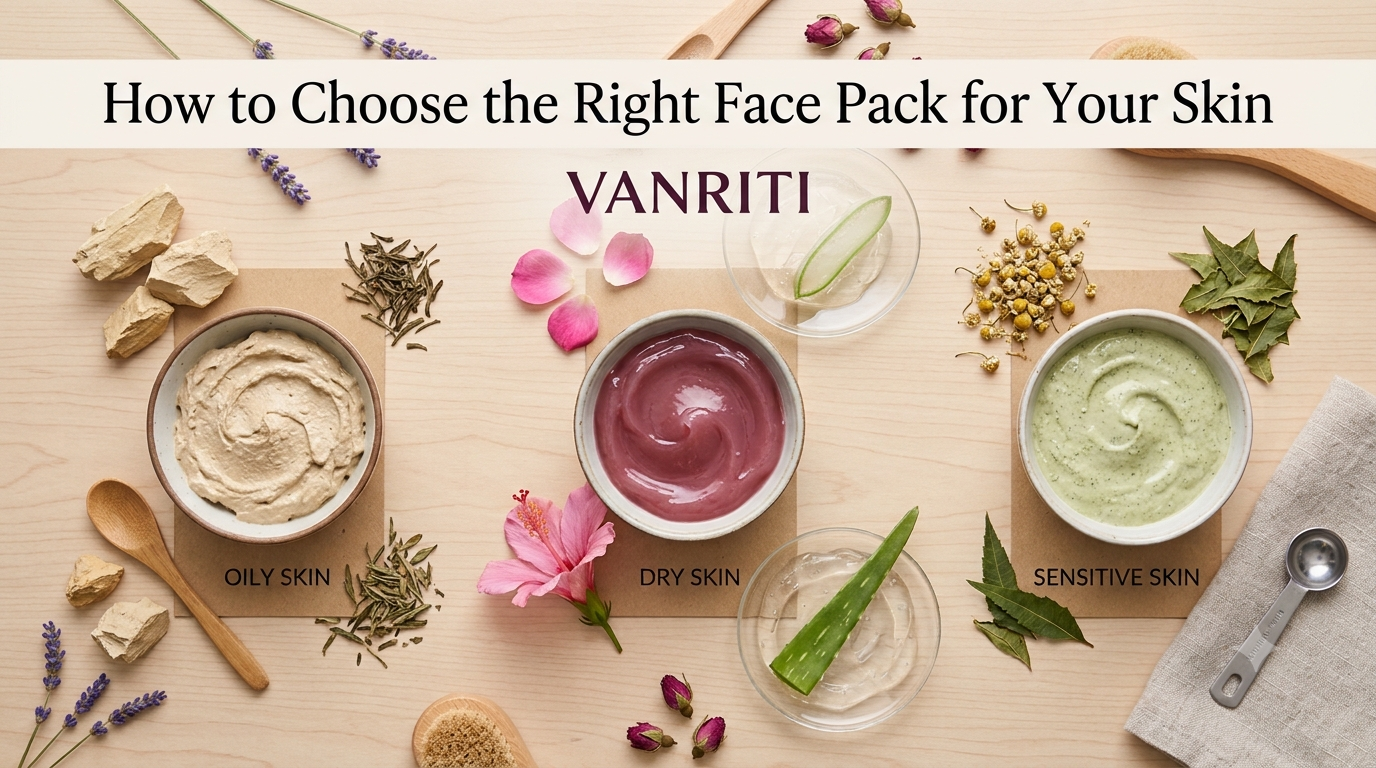
Choosing a face pack can feel confusing when there are so many ingredients and products available. Multani mitti, neem powder, beetroot powder and other traditional ingredients are commonly used in skin-care preparations, but not every face pack is suitable for every skin type.
Some products are designed to absorb excess surface oil, while others focus on providing a simple skin-care experience. The right choice depends on your skin's needs, the product formulation and how your skin responds.
In this guide, we will explain how to choose a face pack for different skin types, explore popular ingredients and share practical tips for using face packs safely.
Why Is Choosing the Right Face Pack Important?
Your skin may respond differently to different ingredients. A product that feels comfortable on oily skin may leave dry or sensitive skin feeling tight or irritated.
Choosing a suitable face pack can help you avoid unnecessary discomfort and make your skin-care routine easier to manage.
Before selecting a product, consider:
- Whether your skin is oily, dry, combination or sensitive.
- Whether the product is specifically intended for facial use.
- Whether you have a history of reactions to cosmetic ingredients.
- How the product should be prepared and applied.
- Whether the product's claims are realistic and supported.
Remember: A face pack is an optional part of skin care. It does not replace a gentle cleanser, moisturiser or sunscreen.
1. Understand Your Skin Type
Before choosing a face pack, it helps to understand how your skin usually behaves.
Oily Skin
Oily skin tends to produce more sebum, which may leave the face looking shiny. Some people with oily skin prefer clay-based products because they can absorb surface oil.
What to consider: A cosmetic-grade multani mitti face pack may be an option if your skin tolerates clay-based products.
Avoid using a face pack too frequently or leaving it on longer than directed. Excessive use may cause dryness or irritation.
Dry Skin
Dry skin may feel rough, tight or flaky. Clay-based face packs can sometimes make these symptoms worse.
What to consider: Prioritise a gentle skin-care routine and a moisturiser formulated for your skin. If you choose to use a face pack, check its ingredients carefully and avoid products that leave your skin uncomfortable.
Do not assume that adding more ingredients to a homemade face pack will make it more moisturising.
Combination Skin
Combination skin may feel oily in some areas, such as the forehead and nose, while other areas feel dry.
What to consider: Choose products carefully and pay attention to how different areas of your face respond. Avoid applying a potentially drying product to areas that already feel dry or irritated.
Sensitive Skin
Sensitive skin may react to fragrance, botanical ingredients or other cosmetic components.
What to consider: Choose products with clear ingredient lists and introduce them cautiously. A simple routine may be more appropriate than experimenting with multiple homemade ingredients.
Stop using any product that causes burning, itching, redness or swelling.
2. Popular Face-Pack Ingredients and Their Uses
Understanding the ingredients can help you make a more informed choice.
Multani Mitti
Multani mitti, also known as Fuller's earth, is a clay-based ingredient commonly used in traditional face packs.
Common cosmetic use: Absorbing some surface oil.
Important consideration: It may cause dryness or tightness, particularly when used excessively or on already dry skin.
For more information, read our detailed guide:
Multani Mitti for Face: Uses, Benefits & How to Apply
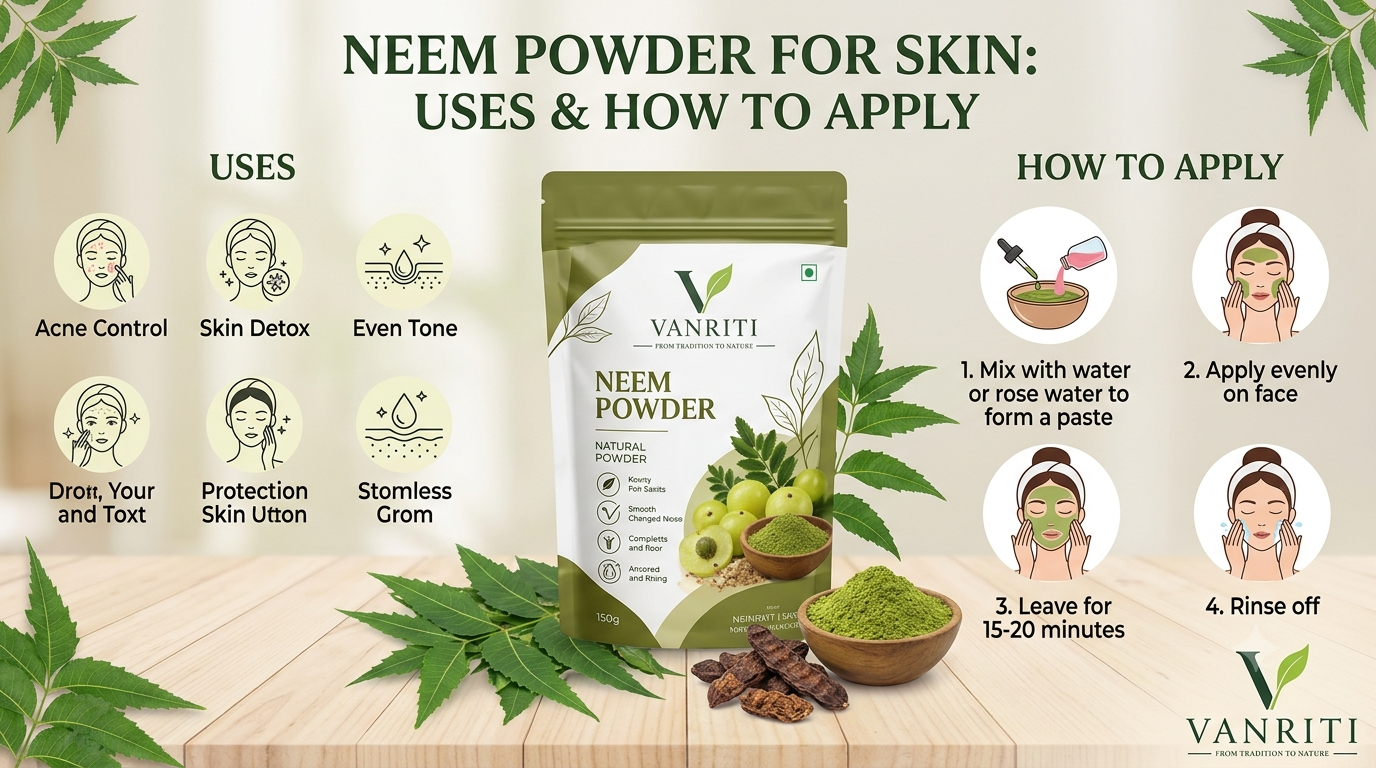
Neem Powder
Neem powder is used in some traditional skin-care preparations.
Common cosmetic use: An ingredient in homemade face-pack preparations.
Important consideration: Neem powder is not a guaranteed treatment for acne or other skin conditions. Confirm that the product is intended for facial use and patch-test before applying it more widely.
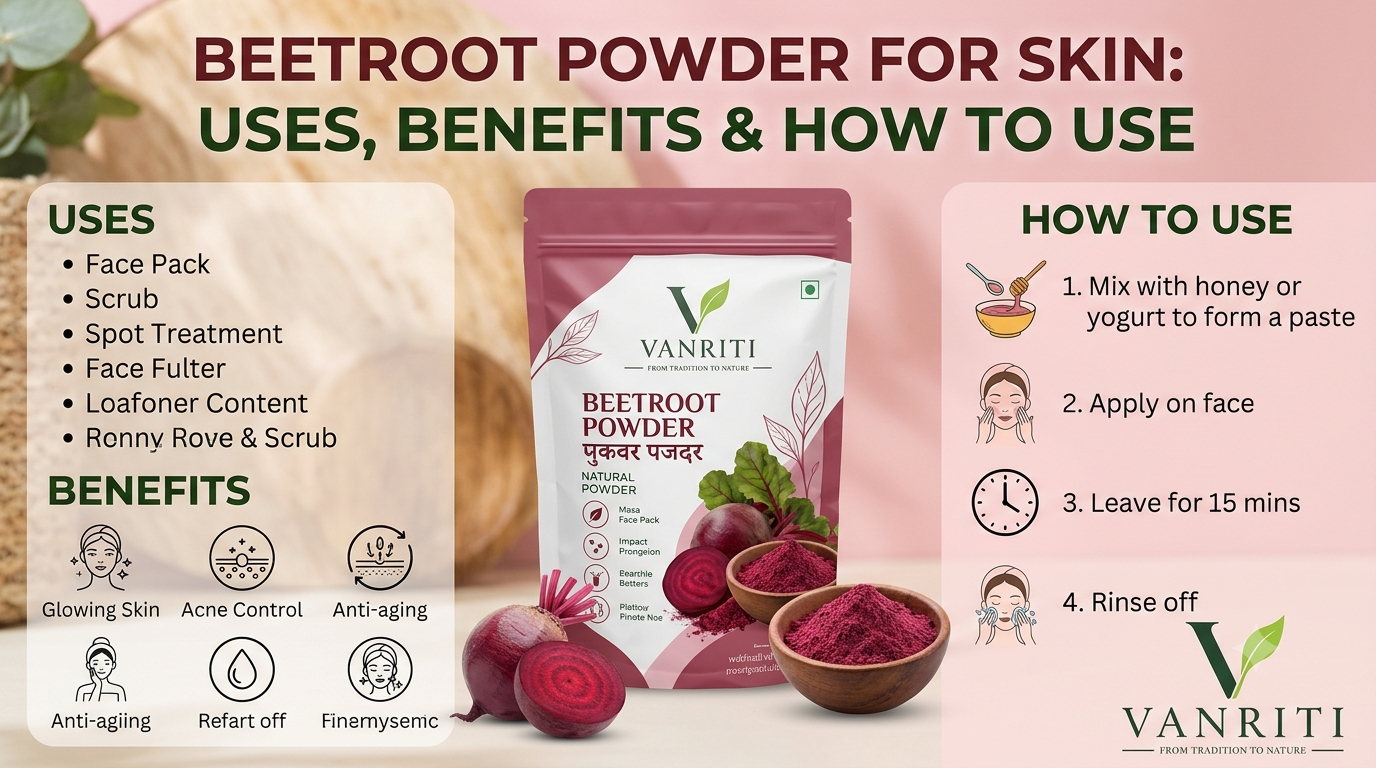
Beetroot Powder
Beetroot powder is used in some homemade beauty preparations.
Common cosmetic use: An ingredient in certain face-pack formulations.
Important consideration: It may temporarily stain skin, clothing or towels. Check the product directions and test a small area first.
Hibiscus Powder
Hibiscus powder is commonly associated with traditional hair-care preparations and may also appear in some beauty recipes.
Common cosmetic use: An ingredient in selected plant-based beauty preparations.
Important consideration: Do not assume that a hibiscus powder intended for hair is automatically suitable for facial use. Check the specific product label.
3. How to Choose a Face Pack Based on Your Needs
Use the following table as a starting point, not as a guarantee of results.
| Your skin-care concern | What to consider | What to be careful about |
| Excess surface oil | A suitable clay-based face pack | Overuse and dryness |
| Dryness or tightness | A gentle routine and suitable moisturiser | Potentially drying masks |
| Sensitive skin | Products with clear ingredients | Fragrance and unfamiliar botanical ingredients |
| Combination skin | Products that suit your different facial areas | Applying drying products to dry areas |
| Acne or persistent breakouts | Evidence-based skin care and professional advice when needed | Relying on face packs as acne treatment |
| Dark spots or pigmentation | Sunscreen and appropriate dermatological guidance | Products promising instant skin whitening |
The goal is to choose a product that fits your needs without causing unnecessary irritation.
4. How to Prepare a Simple Face Pack at Home
If you prefer traditional skin-care preparations, begin with a simple recipe using an ingredient specifically intended for facial use.
Simple Multani Mitti Face Pack
Ingredients:
- 1–2 teaspoons of cosmetic-grade multani mitti
- Clean water as needed
Method:
- Add the powder to a clean bowl.
- Gradually add water while mixing.
- Continue until a smooth paste forms.
- Apply a thin layer to clean skin, avoiding the eyes and lips.
- Follow the product's recommended application time.
- Rinse gently with lukewarm water.
- Apply a suitable moisturiser afterwards.
Do not leave the mask on longer than directed. Rinse it off immediately if your skin starts burning, stinging or feeling uncomfortable.
For a beginner, using water instead of several additional ingredients keeps the preparation simple.
5. How to Apply a Face Pack Correctly
Even a suitable product may cause discomfort if it is used incorrectly. Follow these practical steps.
Step 1: Clean your face gently.
Remove surface dirt and makeup with a suitable cleanser.
Step 2: Read the product instructions.
Check the recommended preparation method, application time and precautions.
Step 3: Perform a patch test.
Follow the manufacturer's patch-testing directions before using a new product more widely.
Step 4: Apply a thin, even layer.
Avoid the eyes, lips and any broken or irritated skin.
Step 5: Follow the recommended application time.
Leaving a face pack on for longer does not necessarily improve its effects.
Step 6: Rinse gently.
Use clean water and avoid aggressive scrubbing.
Step 7: Moisturise.
Apply a suitable moisturiser if needed. During the day, finish your routine with a broad-spectrum sunscreen.
6. How Often Should You Use a Face Pack?
There is no universal schedule for every face pack. Frequency depends on the formulation, product directions and your skin's response.
Keep these points in mind:
- Start conservatively when trying a new product.
- Avoid frequent use if your skin becomes dry or tight.
- Do not use a face pack on skin that is already irritated.
- Follow the label rather than assuming daily application is beneficial.
- Stop using the product if a reaction develops.
If you have persistent acne, eczema, rosacea or another skin condition, seek advice from a qualified healthcare professional before introducing potentially irritating products.
7. Common Face-Pack Mistakes to Avoid
A few common mistakes can make a skin-care routine less comfortable.
Using Too Many Ingredients
Combining several unfamiliar ingredients makes it harder to identify what caused a reaction. Start with one suitable product or a simple preparation.
Applying a Hair Powder to the Face
A powder intended for hair care is not automatically suitable for facial skin. Always check the intended use on the product label.
Leaving a Face Pack on Too Long
Longer application does not guarantee better results. Follow the recommended time and rinse sooner if discomfort develops.
Using Harsh Household Ingredients
Avoid adding lemon juice, strong essential oils or abrasive substances to homemade face packs. These ingredients can irritate skin.
Expecting Instant Results
Face packs cannot guarantee acne removal, pigmentation reduction, permanent oil control or skin whitening. Be cautious of exaggerated claims.
Skipping Moisturiser
If your skin feels dry after a face pack, use a suitable moisturiser. Persistent tightness or flaking is a reason to stop or reconsider the product.
8. How to Choose Quality Skin-Care Powders
When buying a powder for skin care, check more than the product name.
- Ingredient transparency: Look for a clear ingredient list.
- Intended use: Confirm that the product is suitable for facial application.
- Packaging: Prefer sealed packaging that protects the contents from moisture and contamination.
- Storage instructions: Follow the manufacturer's recommendations.
- Usage directions: Choose products with clear preparation and application instructions.
- Realistic claims: Avoid relying on promises of guaranteed acne removal, skin whitening or instant results.
For your routine, explore the VANRITI skin-care range and select products according to their labels and intended use.
Frequently Asked Questions
1. How do I choose the right face pack for my skin?
Start by considering your skin type, any known sensitivities and the purpose of the product. Check the ingredient list, confirm that the product is intended for facial use and follow its directions.
2. Which face pack is suitable for oily skin?
Some people with oily skin use clay-based face packs, such as multani mitti, to absorb surface oil. Suitability varies, and excessive use can cause dryness or irritation.
3. Is multani mitti suitable for dry skin?
It may worsen dryness or tightness in some people. If you have dry skin, prioritise a gentle routine and a suitable moisturiser. Avoid using multani mitti if it leaves your skin uncomfortable.
4. Can I use a face pack every day?
Daily use is not necessary for everyone and may irritate the skin. Follow the product directions and adjust based on how your skin responds.
5. Can neem powder remove acne?
Neem powder is used in traditional skin-care preparations, but it should not be treated as a proven acne treatment. Persistent or severe acne may require advice from a dermatologist.
6. Can a face pack remove dark spots?
A face pack cannot be relied on to remove dark spots or treat pigmentation. Sunscreen and evidence-based skin-care treatments may help, depending on the cause. A dermatologist can advise on persistent concerns.
7. Should I moisturise after using a face pack?
Yes, moisturising can help support the skin barrier, particularly if your skin feels dry after rinsing. Choose a moisturiser suitable for your skin type.
8. What should I do if a face pack irritates my skin?
Rinse it off gently and stop using it. Seek medical advice if symptoms are severe, persist or worsen. Get emergency help if you experience difficulty breathing or swelling of the lips or tongue.
Final Thoughts
Choosing the right face pack starts with understanding your skin and the ingredients in the product. Multani mitti, neem powder and other traditional ingredients have different uses and may not suit everyone.
Start with a simple routine, choose products intended for facial use and follow the manufacturer's directions. Avoid excessive application and be cautious of products promising dramatic or guaranteed results.
Explore VANRITI's skin-care range to find products suited to your personal-care routine.