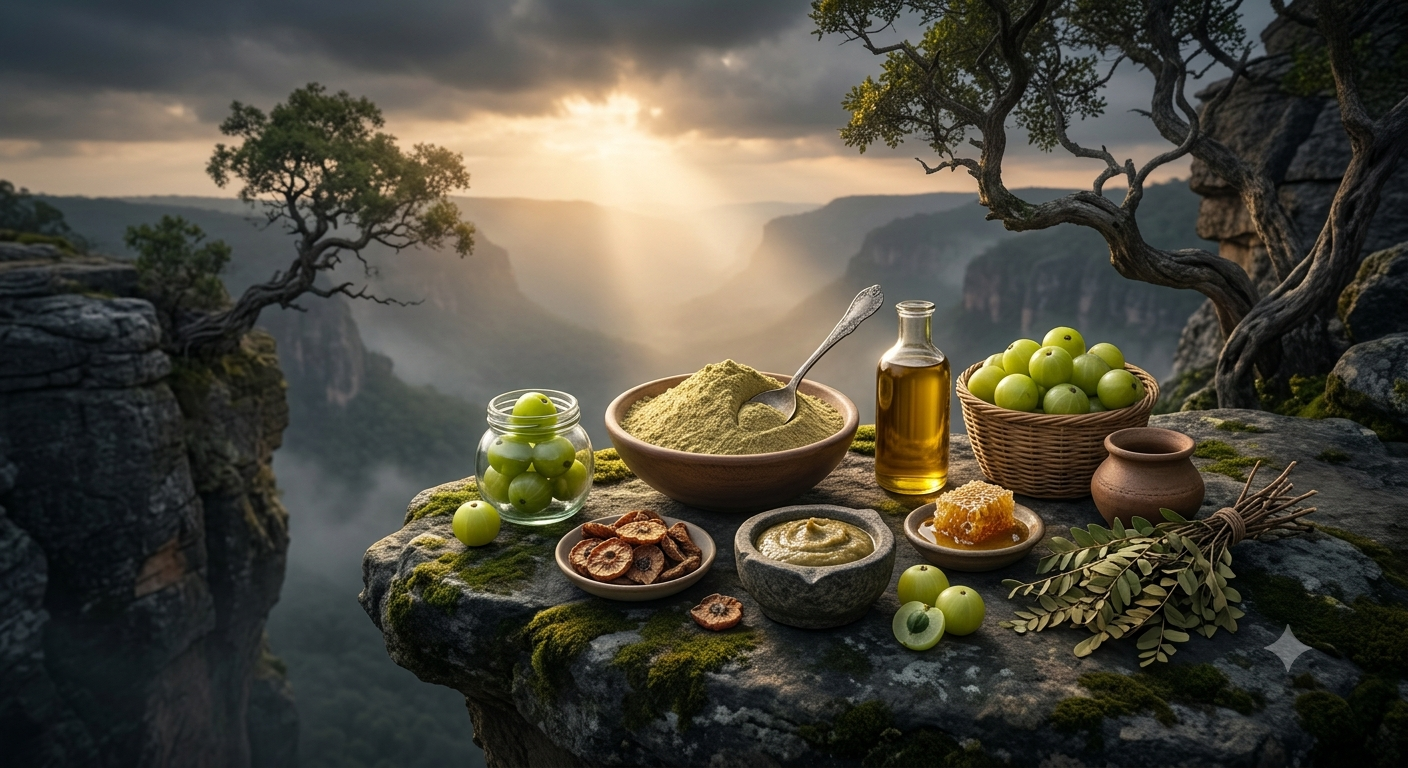
Natural skincare has become increasingly popular among people who prefer simple beauty routines and traditional herbal ingredients. From rose petal powder to Multani Mitti, several botanical ingredients have been used in Indian beauty practices for generations.
One such ingredient is Amla Powder, traditionally valued for its versatility in personal care and wellness routines.
Amla, also known as Indian Gooseberry, is derived from the fruit of the Phyllanthus emblica tree. It is naturally rich in vitamin C and contains various plant compounds.
While amla is widely known for its traditional wellness uses, it is also explored as an ingredient in homemade skincare preparations.
In this guide, we will discuss amla powder benefits for skin, different ways to use it, easy homemade face pack recipes and important precautions.
2. What Is Amla Powder?
Amla powder is prepared by drying Indian gooseberry fruit and grinding it into a fine powder.
Amla has an important place in traditional Indian wellness and beauty practices. It contains naturally occurring antioxidants and plant compounds that have attracted interest in skincare and personal care.
Amla powder is commonly mixed with water or other suitable ingredients to prepare homemade face packs.
Its versatility makes it an interesting ingredient for people who enjoy exploring traditional herbal skincare.
Product Link Placement:
3. Amla Powder Benefits for Skin
Amla is traditionally valued for its nutritional and botanical properties. Here are some reasons it is explored in natural skincare.
1. Contains Naturally Occurring Antioxidants
Amla contains vitamin C and other naturally occurring plant compounds. Antioxidants are widely studied for their role in protecting against oxidative stress.
However, the benefits of eating amla should not automatically be assumed to apply to homemade topical amla powder preparations.
2. An Interesting Ingredient for Herbal Face Packs
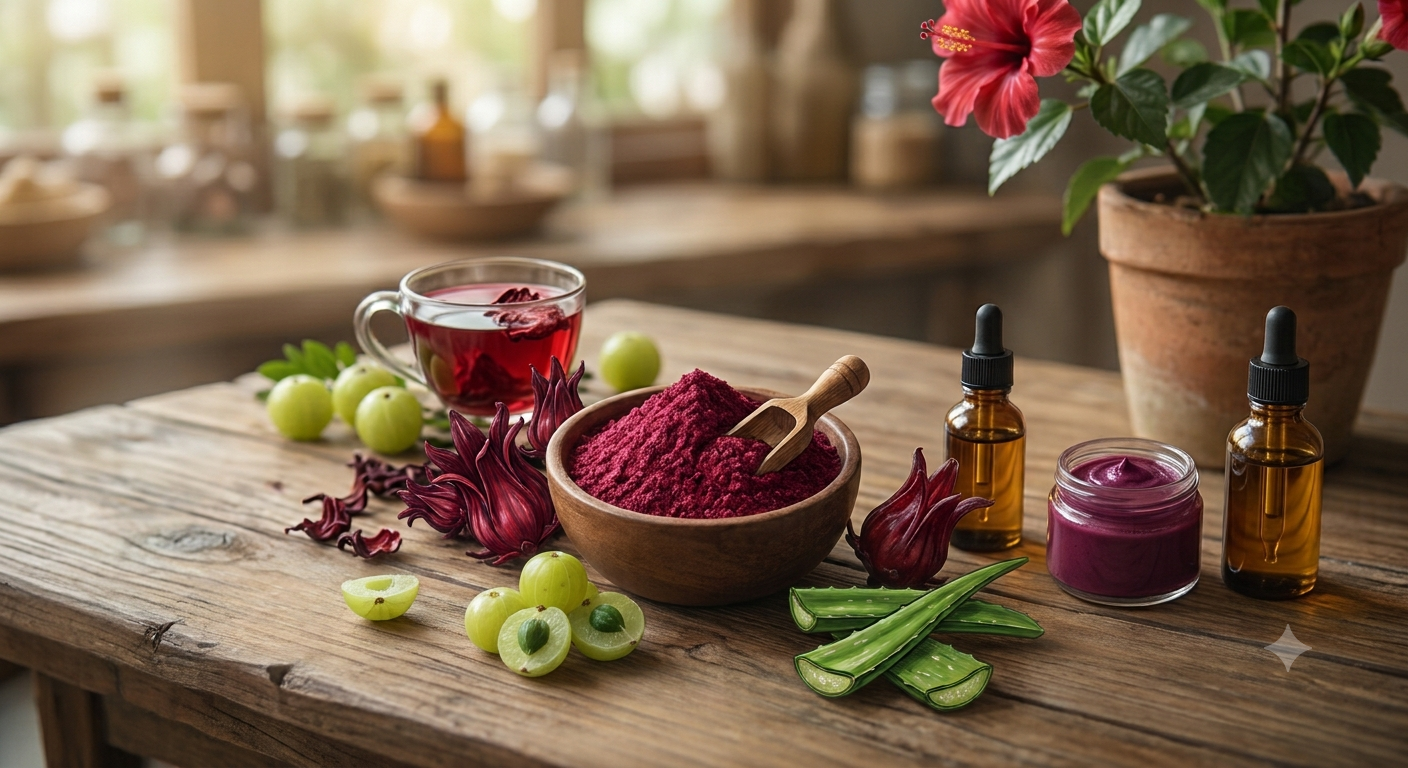
Amla powder can be combined with ingredients such as rose water, aloe vera or Multani Mitti to prepare traditional homemade face packs.
3. Supports a Simple Skincare Routine
People interested in traditional botanical ingredients can explore amla powder as an occasional addition to their skincare routine, provided their skin tolerates it.
4. Can Be Combined with Other Natural Ingredients
One advantage of amla powder is its versatility. It can be combined with different ingredients to create simple homemade skincare preparations.
5. Traditionally Valued in Indian Beauty Practices
Amla has been used in Indian traditional practices for generations. Its popularity in hair care, wellness and personal care makes it a familiar botanical ingredient.
Important: There is limited clinical evidence establishing that homemade amla powder face packs brighten skin, remove pigmentation or treat acne. Avoid treating traditional uses as guaranteed results.
4. How to Use Amla Powder on Your Face
Amla powder can be used in different homemade face pack combinations.
Here are three simple recipes to explore.
Amla Powder and Rose Water Face Pack
Ingredients:
- 1 tablespoon amla powder
- Rose water as required
Method:
- Take amla powder in a clean bowl.
- Add rose water gradually.
- Mix until you obtain a smooth paste.
- Apply a thin layer to clean facial skin, avoiding the eyes and lips.
- Leave for approximately 5–10 minutes.
- Rinse gently with cool or lukewarm water.
Amla Powder and Aloe Vera Face Pack
Ingredients:
- 1 tablespoon amla powder
- 1 tablespoon plain aloe vera gel
Method:
- Add amla powder to a clean bowl.
- Mix with aloe vera gel.
- Prepare a smooth paste.
- Apply a thin layer to clean skin.
- Leave for approximately 5–10 minutes.
- Rinse gently with water.
Amla Powder and Multani Mitti Face Pack
Ingredients:
- 1 tablespoon amla powder
- 1 tablespoon Multani Mitti
- Water as required
Method:
- Combine amla powder and Multani Mitti.
- Add water gradually.
- Mix until a smooth paste forms.
- Apply evenly to clean facial skin.
- Leave for approximately 5–10 minutes.
- Rinse gently without scrubbing.
Safety tip: Amla preparations may irritate some skin types. Always perform a patch test before facial application. Avoid use if irritation develops.
5. Which Ingredients Can Be Combined with Amla Powder?
Amla powder can be combined with different ingredients depending on your preferred skincare preparation.
| Ingredient | Traditional skincare use |
| Rose Water | Used in homemade face pack preparations |
| Aloe Vera Gel | Popular in soothing skincare preparations |
| Multani Mitti | Commonly used in cleansing face packs |
| Rose Powder | Traditional botanical ingredient in face packs |
| Plain Water | Simple option for preparing a paste |
Choose ingredients that suit your skin and avoid combinations that cause discomfort.
6. Tips for Using Amla Powder in Skincare
Follow these simple tips when exploring amla powder for homemade skincare:
- Always perform a patch test before applying it to your face.
- Use a clean bowl and clean utensils.
- Prepare fresh face pack mixtures instead of storing leftovers.
- Avoid applying the mixture around your eyes.
- Do not scrub your face aggressively.
- Avoid applying it to broken or irritated skin.
- Start with occasional use rather than daily application.
- Stop immediately if you experience burning, redness or itching.
- Apply a suitable moisturiser after rinsing.
- Use sunscreen during the day to protect your skin.
If you have sensitive skin or a persistent skin condition, consult a dermatologist before experimenting with homemade face packs.
7. Amla Powder in Traditional Herbal Beauty Routines
Amla is a versatile botanical ingredient that can be explored in different personal care preparations.
Apart from skincare, it is also widely recognised in traditional hair-care routines.
People commonly explore amla powder as an ingredient in homemade hair masks and herbal hair preparations.
For a more complete herbal beauty routine, you can explore other botanical ingredients from VANRITI.
- Amla Powder: A traditional botanical ingredient for hair and personal care.
- Hibiscus Powder: Commonly explored in herbal hair-care preparations.
- Rose Powder: Used in traditional homemade skincare preparations.
- Multani Mitti: A popular ingredient in homemade face packs.
- Neem Powder: Traditionally used in herbal personal care.
Internal Product Link Placement:
VANRITI product pages wherever these ingredients are mentioned.
8. Why Choose VANRITI Amla Powder?
VANRITI brings traditional botanical ingredients into everyday beauty, personal care and wellness routines.
VANRITI Pure Amla Powder is a convenient powdered format for people who want to explore the versatility of this traditional ingredient.
Whether you are interested in homemade herbal preparations or traditional hair-care routines, amla powder offers several ways to explore botanical ingredients.
Discover VANRITI Amla Powder and explore other herbal essentials for your beauty and personal care routine.
Product Link Placement:
VANRITI Amla Powder Product Page Link
9. Frequently Asked Questions (FAQs)
Q1. What are the benefits of amla powder for skin?
Amla contains naturally occurring vitamin C and other plant compounds. It is traditionally explored in homemade skincare preparations, although specific topical benefits are not well established clinically.
Q2. Can I apply amla powder directly to my face?
It is better to mix amla powder with a suitable ingredient such as water or aloe vera gel before application. Always perform a patch test first.
Q3. How do I make an amla face pack at home?
Mix one tablespoon of amla powder with rose water to create a smooth paste. Apply for approximately 5–10 minutes and rinse gently.
Q4. Can I mix amla powder with Multani Mitti?
Yes. Amla powder and Multani Mitti can be combined with water to prepare a traditional homemade face pack.
Q5. Is amla powder suitable for all skin types?
Not necessarily. Skin sensitivity varies from person to person. People with sensitive or easily irritated skin should be particularly cautious.
Q6. Can I use amla powder every day on my face?
Daily application is not recommended. Start with occasional use and observe how your skin responds.
Q7. Can amla powder help with skin pigmentation?
There is insufficient clinical evidence to establish that homemade amla powder preparations treat pigmentation. Consult a dermatologist for persistent pigmentation concerns.
10. Conclusion
Amla powder is a traditional botanical ingredient that has been valued in Indian beauty and wellness practices for generations.
Its versatility makes it an interesting ingredient for homemade face packs and other herbal personal care preparations.
From combining it with rose water to exploring combinations with aloe vera and Multani Mitti, there are different ways to incorporate amla powder into a simple skincare routine.
If you enjoy traditional botanical ingredients, explore VANRITI Amla Powder and discover more herbal essentials for your everyday beauty routine.
VANRITI – From Tradition to Nature.