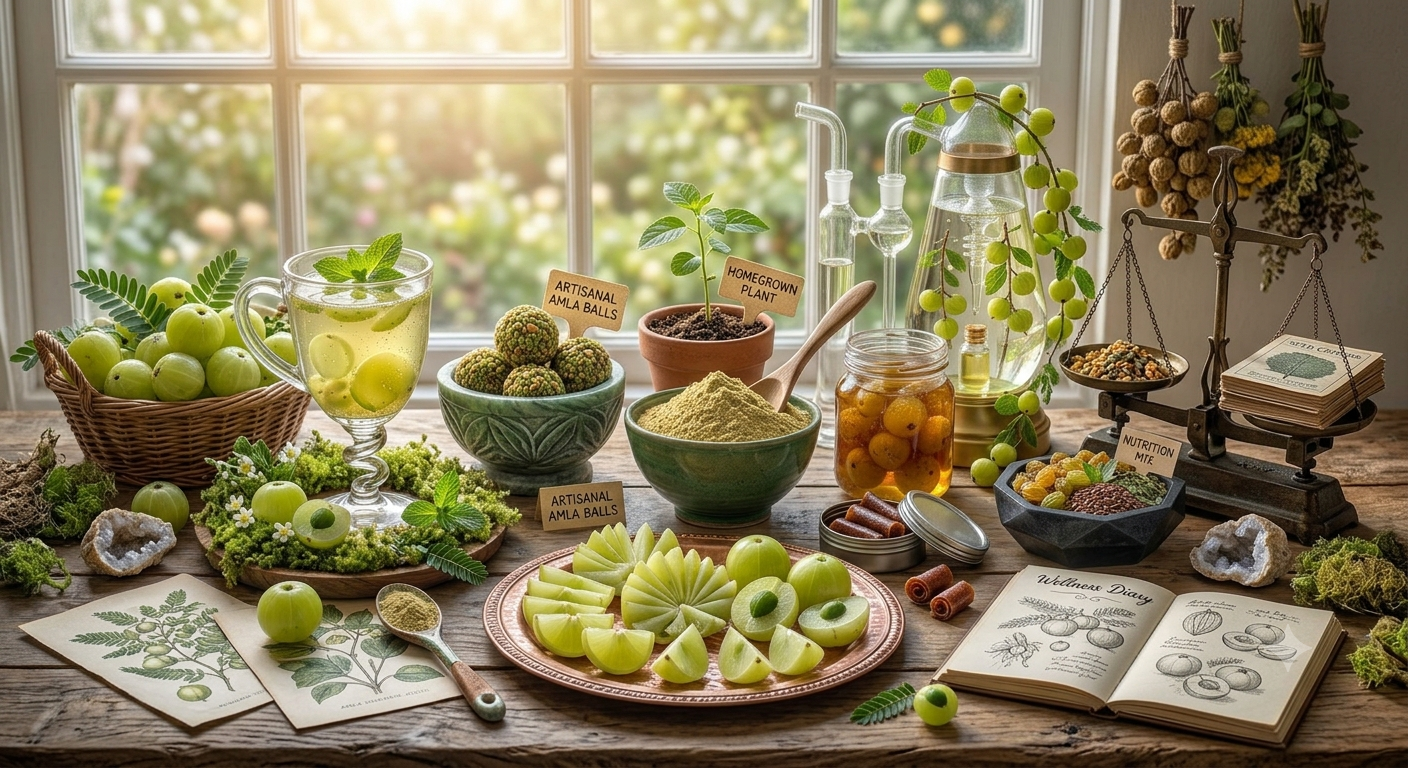
Amla, also known as Indian Gooseberry, is a traditional fruit widely used in Indian food preparations and wellness practices. It is known for its naturally tangy taste and is commonly consumed in different forms, including fresh fruit, juice, pickles and powdered preparations.
Amla powder is a convenient way to include this traditional ingredient in selected food and beverage recipes. It can be mixed into suitable drinks or incorporated into everyday meals according to the product instructions.
In this article, we will explore what Amla powder is, its nutritional properties, potential benefits, different ways to consume it and precautions to keep in mind.
1. What Is Amla Powder?
Amla powder is made by drying and grinding Indian Gooseberry (Phyllanthus emblica), also known as Emblica officinalis.
The fruit is recognised for its naturally sour and tangy flavour. Its powdered form is commonly used in traditional food preparations and can be incorporated into different recipes.
Amla is particularly known for its naturally occurring vitamin C and plant compounds. However, the actual nutritional content of Amla powder can vary depending on the quality of the fruit, drying method and processing.
When purchasing Amla powder for consumption, always check that the product is clearly labelled as food-grade.
2. Nutritional Properties of Amla Powder
Amla is known for containing several naturally occurring nutrients and plant compounds.
These may include:
- Vitamin C: Amla fruit is naturally known for its vitamin C content. The amount retained in powdered products can vary with processing and storage.
- Polyphenols: Amla contains naturally occurring plant compounds, including polyphenols.
- Flavonoids: These are plant compounds found in various fruits and vegetables.
- Dietary fibre: The amount depends on how the fruit is processed and the final powder composition.
- Other plant nutrients: Amla contains additional naturally occurring compounds that contribute to its nutritional profile.
For exact nutritional values, refer to the information printed on the product packaging. Do not assume that every Amla powder contains the same amount of vitamin C or other nutrients.
3. Potential Benefits of Amla Powder
Amla is a popular traditional ingredient because of its nutritional composition and versatility.
Here are some reasons people include it in their food routines.
A. A Source of Naturally Occurring Vitamin C
Amla fruit is well known for its vitamin C content. Vitamin C contributes to normal immune system function and helps protect cells from oxidative stress as part of its normal physiological role.
However, the vitamin C content of processed Amla powder can vary, so check the product's nutritional information.
B. Contains Naturally Occurring Antioxidant Compounds
Amla contains plant compounds such as polyphenols and flavonoids.
These compounds are studied for their antioxidant properties. Including a variety of fruits and vegetables in your diet is one way to support a balanced eating pattern.
C. Adds Variety to a Plant-Based Diet
Amla powder can be included in selected food preparations as part of a varied diet. It offers a convenient powdered form of a traditional fruit.
D. Convenient for Everyday Recipes
Fresh Amla may not always be convenient to prepare. Powdered Amla can be easier to measure and incorporate into selected drinks, smoothies and recipes.
E. A Traditional Indian Food Ingredient
Amla has a long history of use in Indian food and traditional wellness practices. Its tangy flavour makes it suitable for people who enjoy experimenting with traditional ingredients.
Important: Amla powder is a food ingredient, not a medicine. It should not be promoted as a guaranteed treatment for digestive problems, diabetes, hair loss, immunity-related illnesses or other medical conditions.
4. How to Consume Amla Powder
Amla powder can be included in different food preparations, depending on its intended use and product instructions.
Here are some simple ideas.
1. Amla Powder with Water
If the product label permits, mix the recommended serving of Amla powder into a glass of water. Stir properly before consuming.
Its naturally tangy flavour may be quite strong, so choose a preparation that suits your taste.
2. Add It to Smoothies
Amla powder can be incorporated into selected fruit smoothies.
You can explore combinations with:
- Banana
- Apple
- Mango
- Other fruits suitable for your recipe
The sweetness of fruit can help balance Amla's sour taste.
3. Mix It into Chutneys
Amla powder can be explored as an ingredient in suitable homemade chutneys and savoury preparations.
4. Add It to Selected Food Recipes
Depending on the product instructions, Amla powder can be used in selected homemade recipes to add a tangy flavour.
5. Include It in a Beverage Preparation
You can explore Amla powder in suitable homemade beverages. Always check whether the product is intended for consumption and follow the recommended serving instructions.
Note: There is no single serving size suitable for everyone. Follow the quantity recommended on the product packaging.
5. Amla Powder vs Fresh Amla
Both fresh Amla and Amla powder can be included in food routines. However, they differ in convenience, texture and nutritional composition.
| Feature | Fresh Amla | Amla Powder |
| Form | Fresh fruit | Dried powdered form |
| Preparation | Requires washing and preparation | Ready to use according to label |
| Taste | Naturally sour and tangy | Tangy, with flavour depending on processing |
| Storage | Requires appropriate fresh-food storage | Store as instructed on packaging |
| Food applications | Pickles, chutneys and juices | Drinks, smoothies and selected recipes |
| Convenience | Requires preparation | Easy to measure and mix |
Neither form is automatically better for everyone. Choose according to your food preferences and requirements.
6. Can You Combine Amla Powder with Other Wellness Powders?
Some people prefer exploring combinations of different botanical powders in their food routines.
VANRITI offers several food-grade powders that can be considered alongside Amla, provided each product is suitable for the intended food use.
Amla and Moringa Powder
Moringa and Amla are two different botanical ingredients with their own nutritional profiles.
They can be explored together in suitable food preparations if both product labels permit consumption.
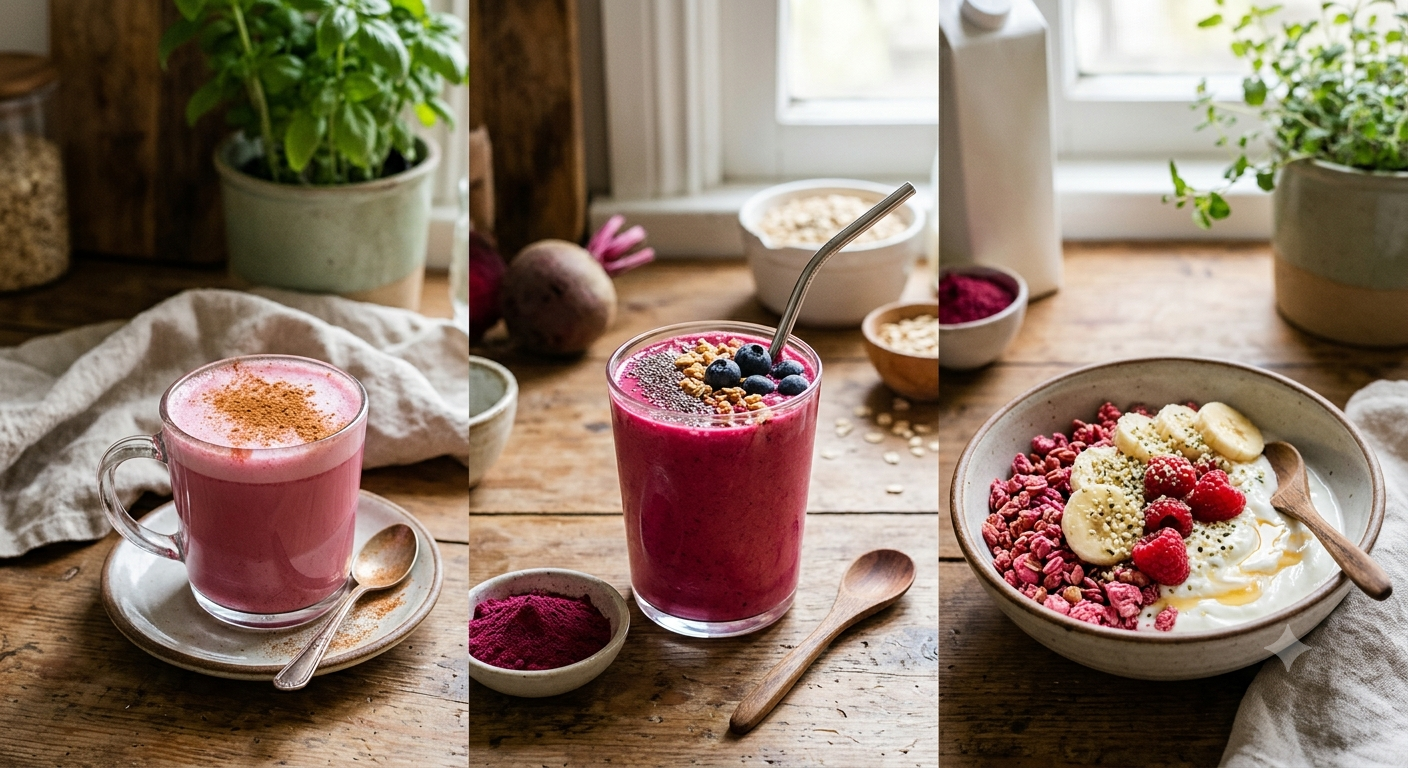
Amla and Beetroot Powder
Amla and Beetroot powders can be combined in selected smoothies or other recipes. Their flavours are different, so adjust your recipe according to taste.
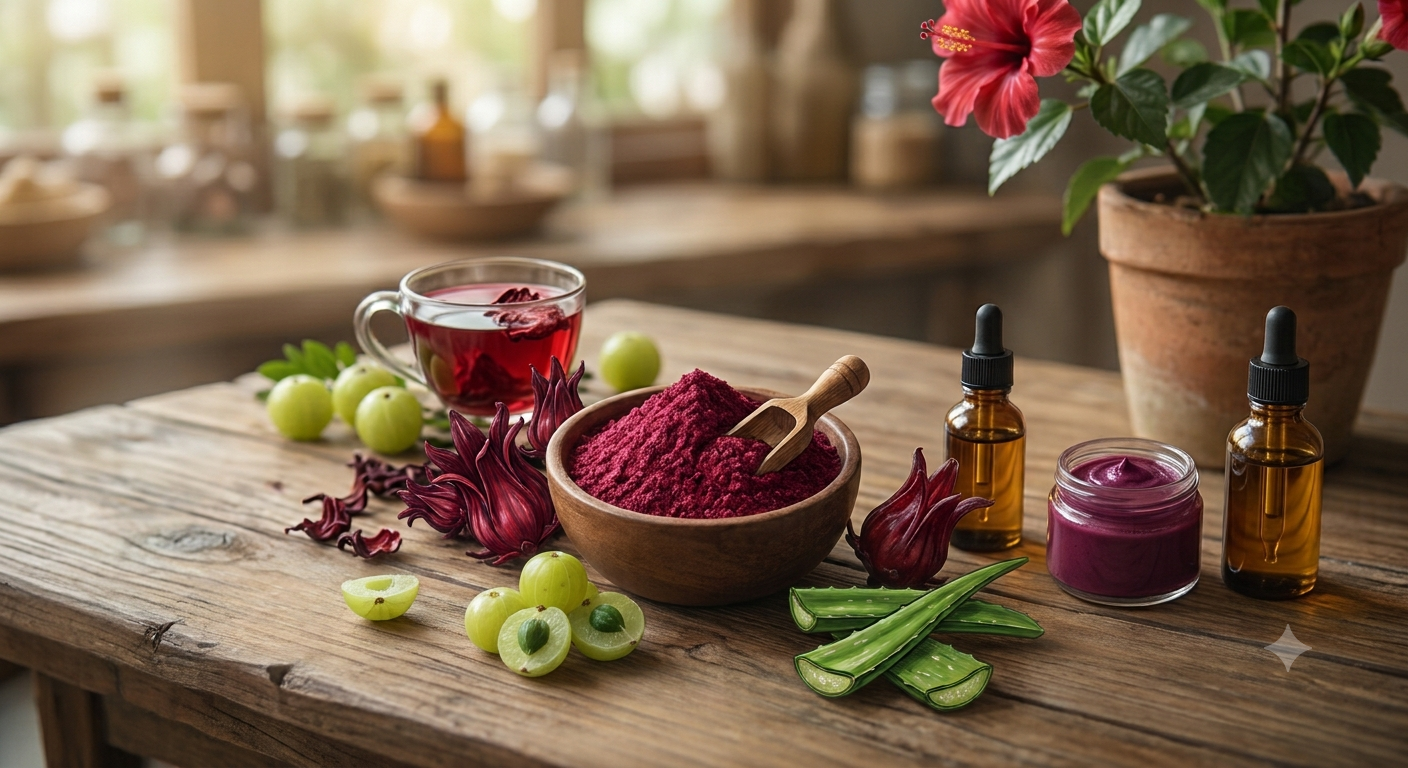
Amla and Hibiscus Powder
Hibiscus and Amla powders may be explored in suitable food or beverage preparations, provided the specific products are labelled for that purpose.
Remember: Combining different powders does not automatically increase their nutritional value or health benefits. Check the intended food use of each ingredient.
Suggested VANRITI product links:
7. How to Choose Good-Quality Amla Powder
Choosing a suitable product is important, especially when you intend to consume it.
Consider these points before purchasing:
- Check food-grade labelling: Make sure the product is specifically intended for food use.
- Read the ingredient list: Check that the listed ingredients match your requirements.
- Review nutritional information: Look for declared nutritional values and serving details.
- Check packaging: Prefer properly sealed packaging that protects the powder from moisture.
- Verify manufacturer details: Look for batch information, manufacturing details and expiry or best-before date.
- Follow storage instructions: Keep the product stored as directed on the packaging.
Do not assume that every product sold as Amla powder is suitable for consumption. Always verify its intended use.
8. Important Precautions Before Consuming Amla Powder
Although Amla is a traditional food ingredient, concentrated powdered products may not be suitable for everyone.
Keep these precautions in mind:
- Follow the recommended serving size on the packaging.
- Do not consume excessive quantities.
- If you take regular medication or have an existing medical condition, consult a healthcare professional before adding concentrated Amla powder to your routine.
- If you have known food allergies or sensitivities, check the ingredient information carefully.
- If you are pregnant or breastfeeding, seek professional advice before using concentrated herbal products.
- Discontinue use if you experience an unwanted reaction.
If you have persistent digestive discomfort or another health concern, consult a qualified healthcare professional rather than relying on herbal powders.
9. Explore VANRITI Amla Powder for Your Daily Food Routine
If you enjoy exploring traditional botanical food ingredients, VANRITI Amla Powder is an option to consider for suitable everyday recipes.
Its powdered form offers convenience when preparing selected food and beverage recipes according to the product instructions.
You can also explore VANRITI's other food-grade botanical powders, including Moringa, Beetroot and Hibiscus.
Whether you prefer individual powders or combination packs, choose products according to your food preferences and intended use.
Explore VANRITI Amla Powder:
VANRITI Pure Amla Powder for Daily Wellness, 100g | Food-Grade
10. Frequently Asked Questions About Amla Powder
1. What is Amla powder?
Amla powder is made by drying and grinding Indian Gooseberry. It is traditionally used in Indian food preparations and wellness practices.
2. What are the benefits of Amla powder?
Amla is known for its naturally occurring vitamin C and plant compounds. It can be included in a varied and balanced diet, but it should not be considered a treatment for any medical condition.
3. How do I consume Amla powder?
Depending on the product instructions, you can mix it with water, add it to smoothies or incorporate it into suitable homemade food preparations.
4. Can I consume Amla powder every day?
Whether regular consumption is suitable depends on the product, serving size and individual dietary needs. Follow the packaging instructions and seek professional advice if you have a relevant medical condition.
5. Can I mix Amla powder with Moringa powder?
You can explore combining food-grade Amla and Moringa powders in suitable food preparations if both product labels permit consumption.
6. Is Amla powder the same as fresh Amla?
No. Amla powder is made by drying and grinding the fruit. Its texture, water content and nutritional composition may differ from fresh Amla.
7. Does Amla powder contain vitamin C?
Amla fruit naturally contains vitamin C. However, the amount retained in powdered products depends on processing and storage. Check the product's nutritional information for details.
8. How should I store Amla powder?
Keep it in its original, tightly closed packaging in a cool and dry place. Protect it from moisture and follow the storage instructions on the label.
Conclusion
Amla powder is a convenient form of a traditional Indian fruit that can be explored in different food and beverage preparations. It contains naturally occurring plant compounds and is known for its vitamin C content, although nutritional values can vary with processing.
From smoothies and drinks to selected homemade recipes, there are different ways to include Amla powder in your food routine.
Choose food-grade Amla powder, follow the recommended serving instructions and enjoy it as part of a varied and balanced diet.
Explore VANRITI Amla Powder and discover more botanical food ingredients for your everyday routine.